
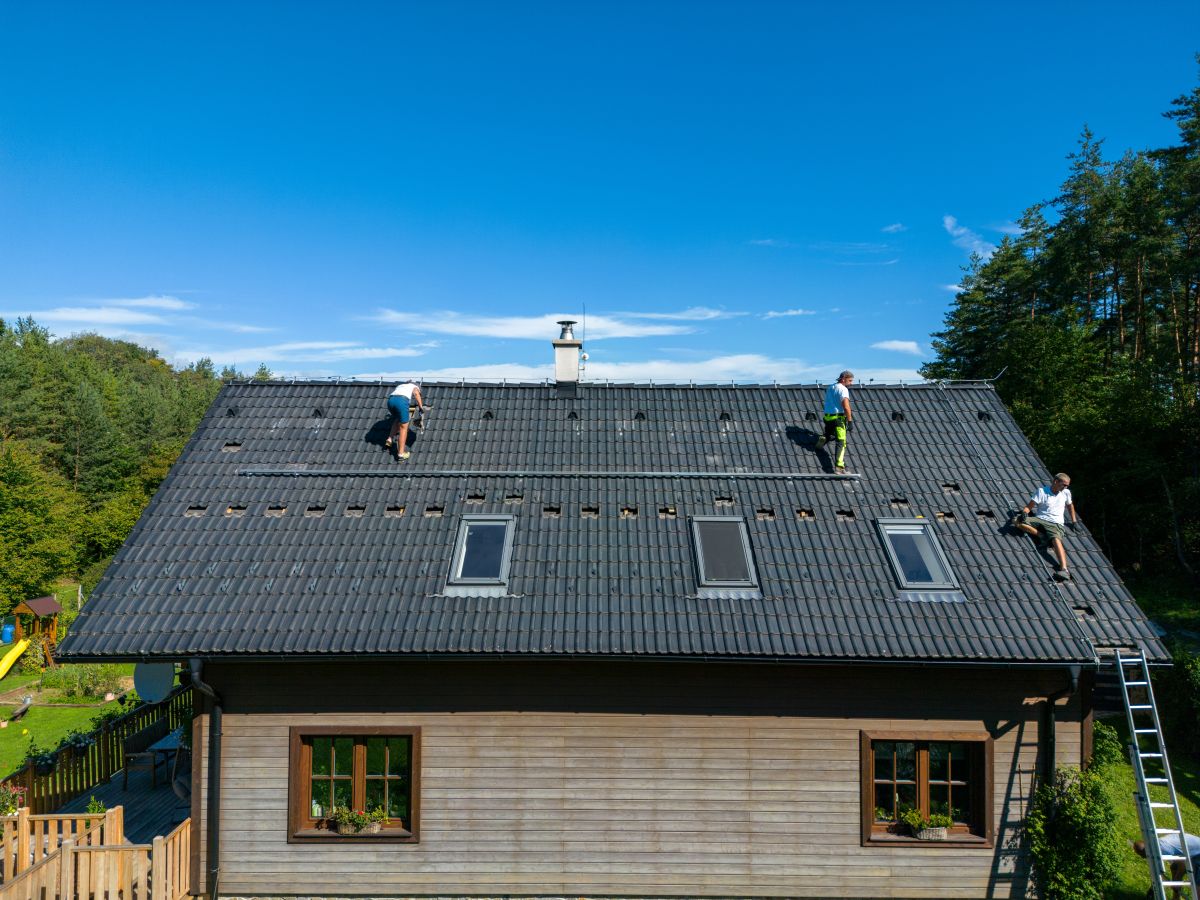
Quick answer: The average cost of a roof replacement in Calgary in 2026 is about $8,000 to $18,000 for asphalt shingles on a typical detached home, and many jobs land around $11,000 to $12,000. Small, simple roofs can come in closer to $6,000, while metal, cedar or synthetic roofs usually run from about $12,000 to well past $25,000. Roof size, pitch, tear-off and material decide where your home lands in that range.
Last updated: October 2026. Every figure on this page is an estimate range, not a quote. Your real number comes from an on-site inspection, which Total Exteriors provides free of charge.
Roof Replacement Cost in Calgary by Size and Material
These are the typical 2026 ranges used throughout this guide. Asphalt shingles are shown by home size. The other materials are shown for a roof surface of 1,500 to 2,000 sq ft, which covers many Calgary homes.
| Roof type | Price per sq ft | Typical cost (2026) |
|---|---|---|
| Asphalt shingles (small home, about 1,000 sq ft) | $4 – $8 | $4,500 – $8,000 |
| Asphalt shingles (medium home, 1,500–2,000 sq ft) | $4 – $8 | $7,000 – $12,000 |
| Asphalt shingles (large home, 2,500+ sq ft) | $4 – $8 | $10,000 – $18,000 |
| Class 4 impact-resistant asphalt | Upper part of the asphalt range | Priced per job. Ask for it as a line beside standard shingles. |
| Metal roofing | $8 – $14 | $12,000 – $28,000 (typical projects average around $19,500) |
| Cedar shakes | $10 – $15 | $15,000 – $30,000 |
| Rubber or synthetic slate and shake | $12 – $20 | $18,000 – $40,000 |
| Concrete or clay tile | Quoted per job | Not priced in this guide. Tile roofs are quoted after an on-site inspection. |
Comparing materials? See our residential roofing, metal roofing and tile, clay and shake roof pages, or read our guide to Class 4 impact-resistant shingles in Calgary.
Table of Contents
- Why Roofing Costs in Calgary Vary
- Average Cost of a New Roof in Calgary in 2026
- Roof Replacement Cost by Material
- What Drives the Price of a Roof Replacement
- Hail Damage and Class 4 Shingles
- Insurance Claims: Deductible, ACV vs RCV, Supplements
- Repair or Replace? Signs It’s Time
- How Vinyl Siding Complements Your New Roof
- The Total Exteriors Roofing Process
- DIY vs Professional Roofing Installation
- Tips for Protecting Your New Roof
- Why Choose Total Exteriors in Calgary
- Roof Replacement Cost FAQ
- Get Your Real Number
Why Roofing Costs in Calgary Vary
Calgary roofs take a beating. Hail, heavy snow, high winds and fast temperature swings all shorten a roof’s life, and they are the reason many replacements here happen earlier than the shingle wrapper promised.
There is no single price for a new roof. The cost depends on roof size, material, labour, how complicated the roof is, and whether the work follows storm damage that your insurer may pay for. Two houses on the same street can get quotes thousands of dollars apart for good reasons.
Average Cost of a New Roof in Calgary in 2026
Typical Calgary ranges in 2026 put a full asphalt shingle replacement on an average home at roughly $8,000 to $18,000, with many jobs landing around $11,000 to $12,000. Across all sizes and materials, local prices span from about $7,000 to $26,000.
Our own guide ranges for asphalt shingles, by roof size:
- Small home (about 1,000 sq ft): $4,500 – $8,000
- Medium home (1,500–2,000 sq ft): $7,000 – $12,000
- Large home (2,500+ sq ft): $10,000 – $18,000
What that looks like on a real house
A typical bungalow. A 1960s or 1970s Calgary bungalow usually has a simple, low-slope gable or hip roof that is easy to walk and quick to strip. These homes often fall in the small to medium ranges above.
A typical two-storey. A newer suburban two-storey often has a steeper pitch, more valleys, an attached garage roof and harder access. These roofs usually land in the medium to large ranges, and sometimes above them when the design is cut up with dormers and multiple levels.
Roof area is not the same as floor area. Pitch, overhangs and garages all add surface, so the only reliable measurement is one taken on site. See what we install on our Calgary residential roofing page.
Roof Replacement Cost by Material
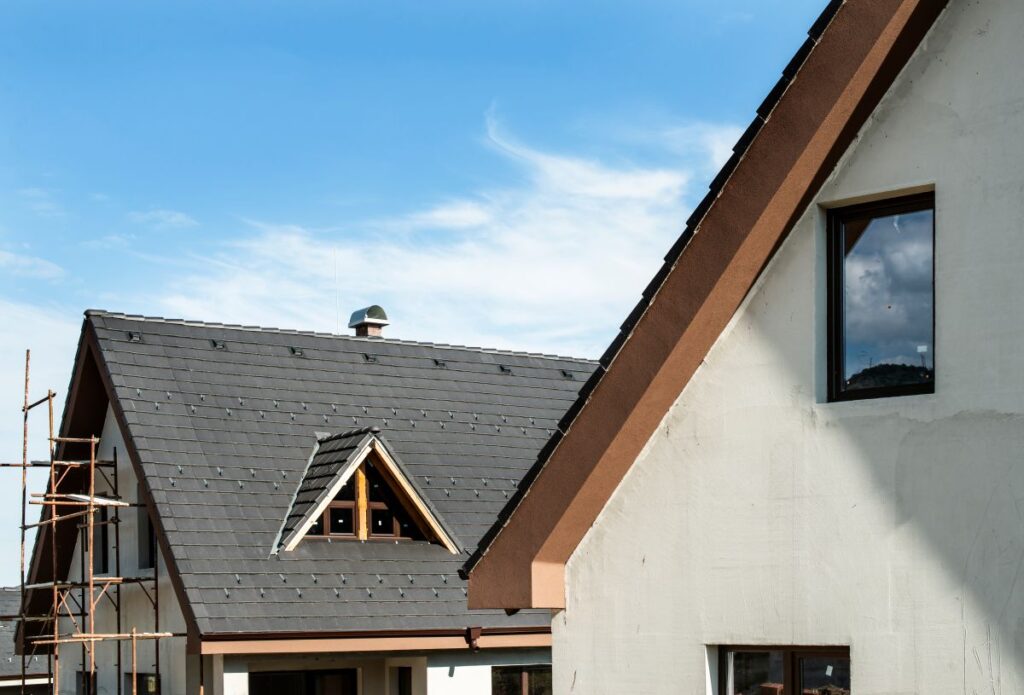
Material is the biggest single choice you control. The table uses our per-square-foot guide prices. The installed range assumes a roof surface of 1,500 to 2,000 sq ft, which covers many Calgary homes. A bigger or more complex roof will cost more.
| Material | Guide price per sq ft | Typical installed range (1,500–2,000 sq ft roof) | Lifespan | Hail performance |
|---|---|---|---|---|
| Architectural asphalt shingles | $4 – $8 | $6,000 – $16,000 | 15–25 years | Fair. Large hail bruises the mat and knocks off granules. |
| Class 4 impact-resistant asphalt | Upper part of the asphalt range | Priced per job. Ask for it as a line beside standard shingles. | Similar to or longer than standard asphalt | Good. Carries the highest impact rating for shingles. |
| Metal roofing | $8 – $14 | $12,000 – $28,000 | 40–70 years | Very good. Rarely punctures, though large hail can dent panels. |
| Rubber and synthetic slate or shake | $12 – $20 | $18,000 – $40,000 | 50+ years | Very good. Many products are impact rated. |
| Cedar shakes | $10 – $15 | $15,000 – $30,000 | 30–50 years with upkeep | Fair. Shakes can split under large hail, more so as they age. |
Metal roofing costs more up front. Typical Calgary projects in 2026 average around $19,500 and go up from there, in return for strong wind and hail resistance and a much longer life.
Cedar shakes look great and insulate well, but they need regular maintenance.
What Drives the Price of a Roof Replacement
Roof size
Roofers price by the square foot or by the “roofing square” (100 sq ft). More surface means more material, more labour and more disposal.
Pitch and complexity
Steep roofs need extra safety gear and slow the crew down. Valleys, dormers, skylights and multiple levels add cutting, flashing and time.
Layers and tear-off
Removing and disposing of old roofing typically costs $1 to $4 per square foot. A second layer hidden under the first means more labour and more weight in the bin.
Decking
Nobody can see the whole roof deck until the shingles are off. Soft, rotted or delaminated sheathing has to be replaced, and it is normally priced per sheet. A good quote tells you that per-sheet rate in advance.
Vents, flashing and accessories
Roof vents, plumbing boots, chimney and wall flashing, drip edge, ice and water membrane and ridge caps all add up. Hail often damages eavestrough, soffit and fascia too, so have them checked at the same time.
Access
Tight lots, no back lane or nowhere to set a bin all add handling time.
Season
Labour rates can rise in peak season. After a major hailstorm, demand jumps and wait times stretch across the whole city.
Permits
Permit needs depend on the scope of work. Structural changes can trigger one. Your contractor should confirm the requirement with the municipality before work starts and show any fee as its own line.
Hail Damage and Class 4 Shingles
Calgary is often called Canada’s hail capital, and a single storm can cause widespread damage. If your roof has been hit, contact both your insurance provider and a trusted roofing contractor as soon as you can.
What changes after a hail event
The question shifts from “what will this cost me?” to “what will my policy pay?”. If the damage is covered, your out-of-pocket cost may be little more than your deductible plus any upgrades you choose. Hail damage is also easy to miss from the ground. Bruised shingles can look fine and still fail early, so a trained hail damage inspection matters.
Why Class 4 shingles matter here
Class 4 is the highest impact rating a shingle can earn under the UL 2218 test, which drops a steel ball onto the shingle to simulate hail. Class 4 shingles cost more than standard architectural shingles, but they hold up better under the mid-size hail Calgary sees most summers. No shingle is hail proof, and a severe storm can still damage a Class 4 roof.
Some insurers offer a premium discount or better terms for impact-resistant roofing. Others do not. Call your broker before you choose, because the answer can change the math on the upgrade.
Insurance Claims: Deductible, ACV vs RCV, Supplements
What a claim typically covers
When hail or wind damage is covered, a claim typically pays to restore the damaged parts of your exterior to their pre-storm condition, less your deductible. You pay the deductible, plus the cost of any upgrade beyond what you had. Policies differ, so read yours or ask your broker.
ACV vs RCV in plain terms
- RCV (replacement cost value) pays what it costs to replace the roof today, less your deductible.
- ACV (actual cash value) pays what your roof was worth at the time of the storm. That is the replacement cost minus depreciation for age and wear, less your deductible.
Example only, using round illustrative numbers. Say a replacement costs $14,000, the roof is older so the insurer applies $5,000 in depreciation, and your deductible is $1,000.
- With RCV coverage: the insurer pays $13,000 in total and you pay $1,000. Often the first cheque is the ACV amount ($8,000), and the held-back $5,000 is released once the work is finished and invoiced.
- With ACV coverage: the insurer pays $8,000 and you cover the other $6,000.
Some policies move roofs to ACV, or a depreciation schedule, once they reach a certain age. Check your policy wording before storm season, not after.
What an adjuster’s estimate commonly misses
Adjusters work fast after a big storm, and the first estimate is often written from a short visit. Items that are commonly left off or under-counted:
- Deck repairs found only after tear-off
- Extra shingle layers
- Starter strip, ridge cap, drip edge and ice and water membrane
- Vents, flashing and pipe boots
- Steep-pitch or high-roof labour
- Damage to siding, eavestrough, soffit, fascia and window trim
How supplements work
A supplement is a request to add missed or hidden items to an approved claim. Your contractor documents the item with photos and measurements and sends it to the insurer, who reviews it and decides. It is a normal part of storm claims.
Total Exteriors offers a free inspection by a HAAG-certified inspector and works with insurers throughout the claim. If you have storm damage now, you can report a claim to us online.
Repair or Replace? Signs It’s Time
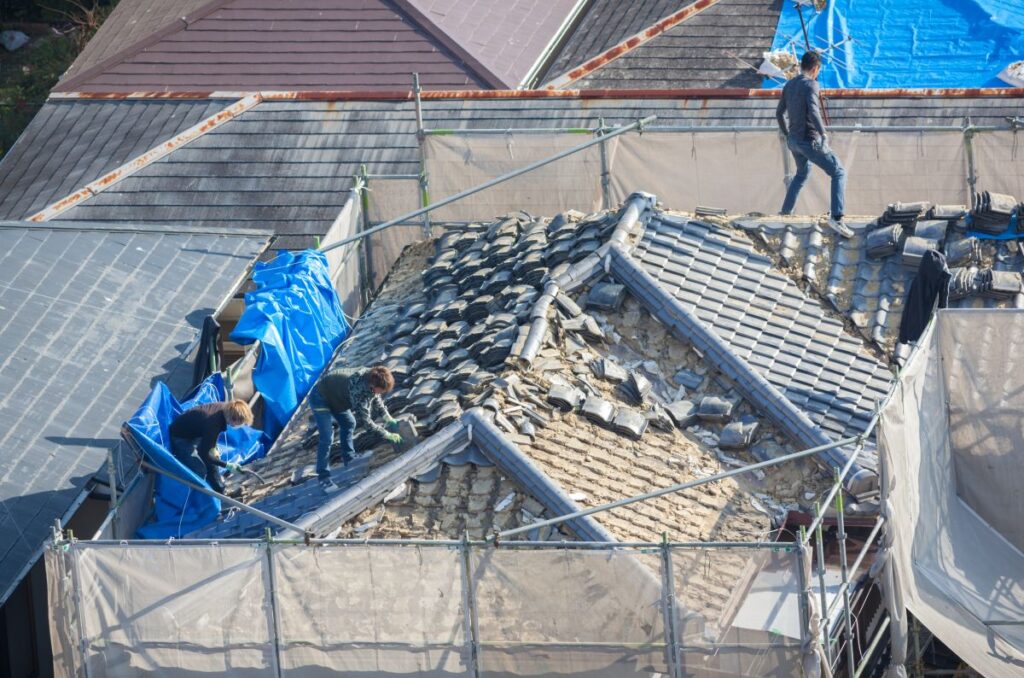
A repair makes sense when the roof is fairly young, the damage is limited to one area and the rest of the shingles are in good shape. Replacement makes more sense when damage is spread across several slopes, the roof is near the end of its expected life, or leaks keep coming back after repairs.
Watch for these warning signs:
- Missing, cracked or curling shingles
- Frequent leaks or ceiling stains
- Granules collecting in gutters
- Sagging roof sections
- Damage after a hail or windstorm
If water is coming in right now, use our emergency call out service to get the roof made safe first.
How Vinyl Siding Complements Your New Roof
The roof is your first line of defence and siding is the second. Hail that damages a roof often marks the siding too, so have both checked in one visit. Vinyl siding is affordable, low maintenance and comes in a wide choice of colours and styles.
Doing the roof and siding together can mean one claim, one crew schedule and a matched look. For pricing, see our guide to the cost of new vinyl siding for a Calgary home.
The Total Exteriors Roofing Process
- Initial inspection. We measure and photograph the roof.
- Detailed estimate. You get a written, itemized scope. For insurance work we compare it with the adjuster’s estimate.
- Material selection. You choose the product and colour, including Class 4 options.
- Removal of old roofing. We strip the old layers and inspect the deck.
- Installation of the new roof.
- Final quality check. We clean up the site and walk through the finished job with you.
DIY vs Professional Roofing Installation
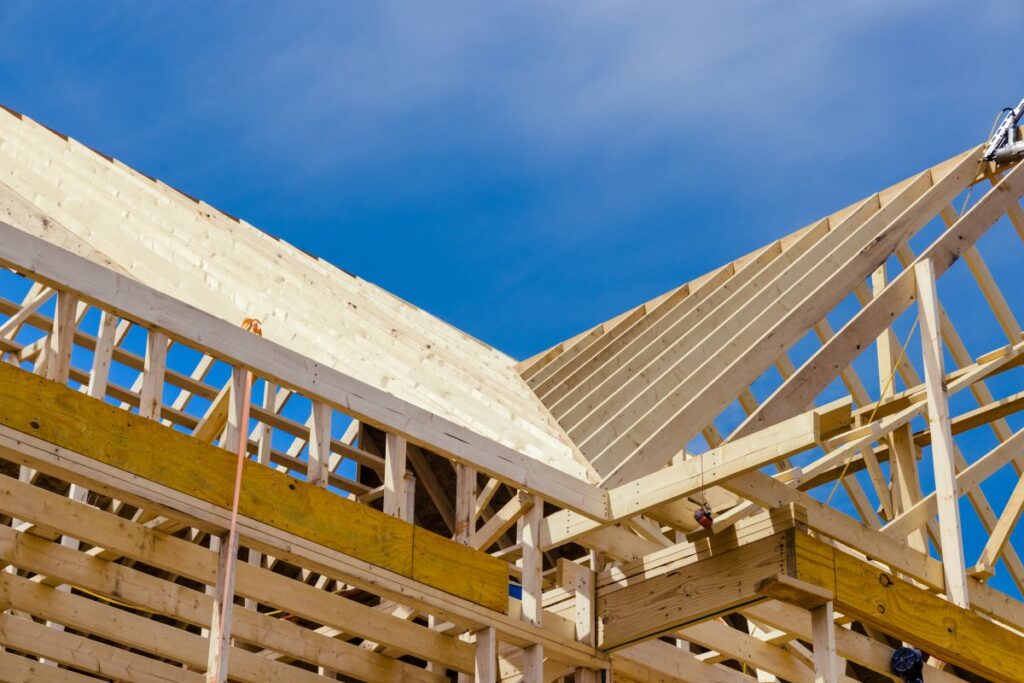
Doing it yourself can save money up front, but roofing is dangerous work and mistakes stay hidden until the first leak. Professional installation gives you:
- Manufacturer warranty coverage, which usually depends on correct installation
- Proper ventilation and waterproofing
- Compliance with Calgary building codes
Tips for Protecting Your New Roof
- Schedule an inspection every year and after any major storm
- Clean gutters regularly so water drains away from the roof edge
- Trim overhanging branches
- Consider impact-resistant shingles for hail protection
- Keep your invoice, warranty papers and dated photos of the finished roof for future claims
Why Choose Total Exteriors in Calgary
- In business since 2014
- BBB accredited since 2017 with an A+ rating
- HAAG-certified inspectors and free inspections
- Expertise in storm and hail damage restoration
- Full-service exterior renovation capabilities, so the roof, siding and eavestrough can be handled by one contractor
- Insurance claim assistance
- Service across Calgary and surrounding communities
Roof Replacement Cost FAQ
How much does a new roof cost in Calgary in 2026?
The average asphalt shingle roof replacement on a typical Calgary home costs between $8,000 and $18,000 in 2026, and many jobs land around $11,000 to $12,000. Small, simple roofs can start near $6,000, and metal or synthetic roofs often run from $12,000 to more than $25,000. Size, pitch, tear-off and material move the price, so an on-site inspection is the only way to get a firm number.
How much does it cost to replace the roof on a 2,000 sq ft house in Calgary?
For a medium home of 1,500 to 2,000 sq ft, an asphalt shingle replacement typically costs $7,000 to $12,000 in 2026. Roof area is not the same as floor area, though. Pitch, overhangs and an attached garage all add surface, so a steep or cut-up two-storey can cost more. A roof surface of 1,500 to 2,000 sq ft typically runs $6,000 to $16,000 in architectural asphalt and $12,000 to $28,000 in metal.
How much does a metal roof cost in Calgary?
Metal roofing typically runs $8 to $14 per square foot installed, or about $12,000 to $28,000 for a roof surface of 1,500 to 2,000 sq ft. Typical Calgary projects in 2026 average around $19,500. It costs more up front than asphalt, but it lasts 40 to 70 years and stands up well to wind and hail.
Does insurance cover a full roof replacement after hail?
It can. If your policy covers hail and the damage is widespread enough that repairs will not restore the roof, insurers commonly approve a full replacement, less your deductible. How much you receive depends on whether your roof is covered at replacement cost (RCV) or actual cash value (ACV). An inspection report with photos helps support the claim.
How long does a roof replacement take?
Most asphalt shingle replacements on a detached home take one to three days once the crew starts, weather permitting. Large, steep or complex roofs, and metal or cedar installs, take longer. After a major hailstorm the wait to get on the schedule is usually longer than the job itself.
Is a Class 4 shingle worth the extra cost?
In Calgary, often yes. Class 4 shingles cost more than standard architectural shingles but resist the mid-size hail that hits the city most summers, and some insurers offer a premium discount for them. Ask for both options on your quote and check with your broker before deciding.
Can I put new shingles over my old ones to save money?
A layover skips the tear-off cost, but it hides the deck so rot and soft spots go unrepaired. It also adds weight and can affect the manufacturer warranty. A full tear-off lets the deck be inspected and repaired, so the new roof starts on a sound base.
How do I get an exact price for my roof?
Book an on-site inspection. We measure the roof, check the layers, vents, flashing and visible deck condition, and give you a written estimate. The inspection is free and there is no obligation.
Get Your Real Number
Ranges are useful for budgeting, but your roof has one real price and it takes a ladder and a tape measure to find it. Total Exteriors offers a free, no-obligation inspection by a HAAG-certified inspector for homes in Calgary and surrounding communities, whether you are planning ahead or dealing with storm damage.
Call (403) 313-4932 or contact us today to book your free roof inspection.