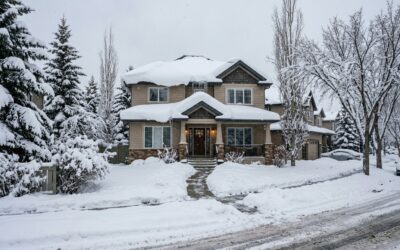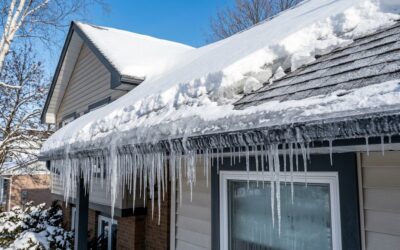
The hail adjuster has approved your claim, or the roof has finally started leaking, and the calendar says November. Can you replace a roof in winter in Calgary, or do you have to live with tarps and buckets until spring? The short answer is yes, a roof can be replaced in winter. But it takes a crew that follows cold-weather installation procedures, and there are days and situations where waiting is the smarter call.
This guide explains what cold does to shingles and roofing products, how a winter replacement is done properly, why Calgary’s chinooks and sunshine help, when it makes sense to wait, and how winter timing fits with a hail insurance claim.
Table of Contents
- Can you replace a roof in winter? The short answer
- What cold weather does to roofing materials
- How a winter roof replacement is done properly
- Winter vs summer roof replacement in Calgary
- When it makes sense to wait until spring
- Winter timing and your hail insurance claim
- Questions to ask before booking a winter roof
- Why Calgary homeowners call Total Exteriors
- Frequently Asked Questions
Key Takeaways
- A roof can be replaced in winter, but only by a crew that follows the shingle manufacturer’s cold-weather application instructions.
- Below about 5°C, shingles become brittle and their self-sealing strips may not bond until warmer, sunny weather arrives, so hand-sealing is often required.
- Calgary’s chinooks and sunny winter days create regular working windows that many colder cities do not get.
- An active leak or a badly hail-damaged roof usually should not wait for spring; a planned upgrade on a sound roof often can.
- If you have an approved insurance claim, a temporary repair protects the home until the replacement can be scheduled.
Can you replace a roof in winter? The short answer
Yes. Roofs are replaced in Calgary every winter, and a winter roof installed correctly performs the same as one installed in July. The difference is in the process. Cold changes how shingles handle, how their adhesive strips seal, and how safely a crew can work, so a winter job needs more preparation, more care, and the flexibility to stop when conditions turn.
What you should not do is hire a crew that installs a winter roof exactly the way it installs a summer one. That is where the problems come from: cracked shingles, tabs that never seal, and blow-offs in the first spring windstorm.
What cold weather does to roofing materials
According to the Asphalt Roofing Manufacturers Association’s cold-weather recommendations, special care is needed once air and surface temperatures fall to about 5°C (40°F) or below. Three things change.
- Shingles get brittle. Cold asphalt shingles are stiffer and can crack when they are bent over a ridge, cut, or dropped. Bundles stored in a warm place and brought up as needed are much easier to work with.
- Sealing strips wait for warmth. Every shingle has a strip of adhesive that bonds it to the course below, and that strip is activated by heat from the sun. In cold weather it may not seal for days or weeks. Until it does, the shingles are more vulnerable to wind, which is why manufacturers call for hand-sealing with roofing cement in cold conditions.
- Underlayments need a clean, dry deck. Self-adhered membranes, such as the ice and water protection installed along the eaves, must go down on a deck free of snow, frost and ice to bond properly.
What about flat roofs?
Low-slope and flat roofs follow the membrane manufacturer’s minimum application temperatures, and those differ by system. Some two-ply SBS modified bitumen work can continue in cool weather with the right procedure, while other membranes and adhesives need milder days. If you have a flat roof over a garage, addition or commercial building, ask about the specific system before booking. Our residential flat roof team can tell you what is realistic for yours.
How a winter roof replacement is done properly
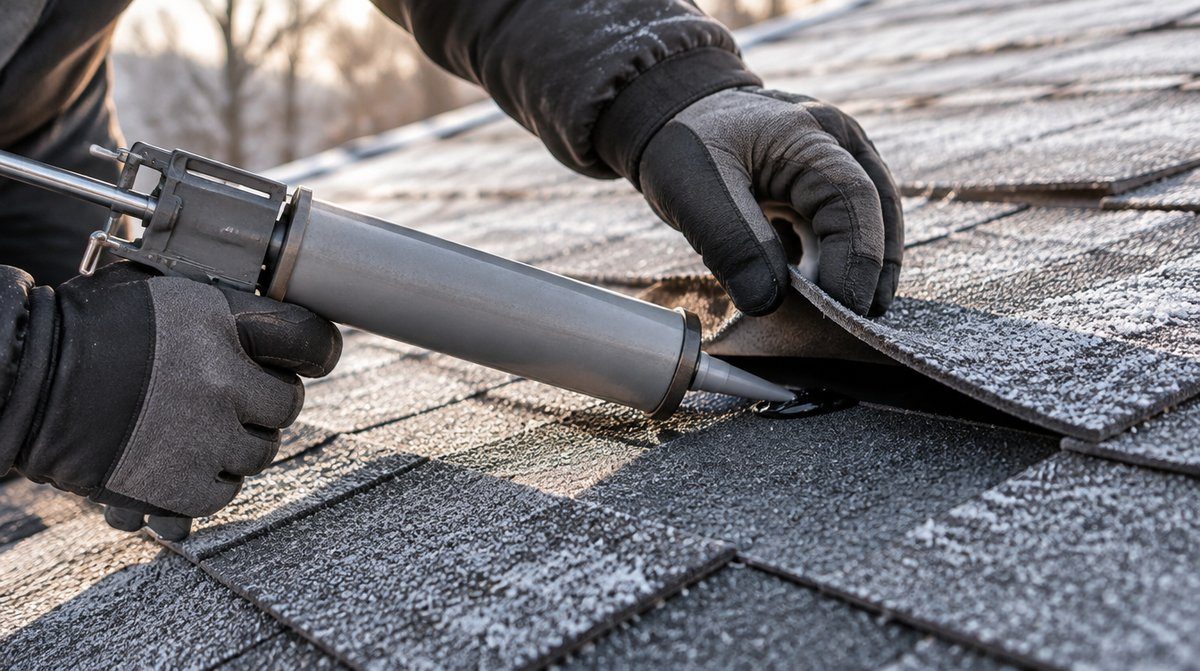
A well-run winter replacement looks a lot like a summer one, with extra steps built in.
- Watch the forecast and book the window. A typical house roof is scheduled into a stretch of dry days, ideally with sun, rather than squeezed in ahead of a snowfall.
- Clear snow and ice first. The crew removes snow from the work area and makes sure the deck is dry before any underlayment goes down.
- Tear off one section at a time. Only as much roof is opened as can be dried in the same day, so the home is never left exposed overnight.
- Inspect and replace damaged decking. Winter is a good time to find soft or rotted sheathing, often around old leaks and ice dams.
- Keep materials warm. Shingle bundles and sealants are stored somewhere heated and brought up in small batches.
- Hand-seal where required. Shingles are sealed with dabs of roofing cement according to the manufacturer’s instructions, rather than relying only on the factory strip.
- Nail with care. Nail gun pressure is checked so fasteners sit flush without breaking through brittle shingles.
- Clean up thoroughly. Nails and debris are harder to find in snow, so the property is swept with a magnet and checked again once the snow melts.
Safety matters more in winter too. Frost, snow and short daylight make a roof far more dangerous, so a professional crew uses fall protection and stops work when conditions are unsafe.
Why Calgary is better for winter roofing than most cities
Calgary winters are cold, but they are not steadily cold. Chinooks can push temperatures above freezing within hours several times a winter, and Calgary is one of the sunniest major cities in Canada. Those mild, sunny stretches are exactly the conditions that let crews work efficiently and let shingles seal. Our guide to chinook damage to Calgary roofs explains the other side of those temperature swings.
Winter vs summer roof replacement in Calgary
| Factor | Winter | Spring to fall |
|---|---|---|
| Shingle sealing | Hand-sealing often required; strips finish sealing on warm, sunny days | Strips usually seal within days of installation |
| Material handling | Shingles brittle; stored warm and handled carefully | Normal handling |
| Deck preparation | Snow, frost and ice cleared before underlayment | Deck usually dry and easy to inspect |
| Weather delays | Snowfall, deep cold and wind | Rain, thunderstorms and hail |
| Daylight | Short days; smaller sections per day | Long days; larger sections per day |
| Best suited to | Active leaks, failed roofs, approved claims that cannot wait | Planned replacements and material upgrades |
Roof leaking now? Do not wait for spring. Total Exteriors has a 24/7 emergency line for temporary repairs that protect your home until a replacement can be scheduled. Contact us online to book an inspection.
When it makes sense to wait until spring
Not every roof needs to be replaced the moment you decide to replace it. Here is a simple way to think about it.
- Do not wait if water is coming into the home, if large areas of shingles are missing or broken, if hail has fractured shingles and exposed the mat, or if the deck is soft. Every freeze-thaw cycle and every chinook melt pushes more water into a damaged roof.
- Waiting is reasonable if the roof is simply old but still watertight, if you are planning a colour or material change and want to see samples in daylight, or if you want the job timed with other exterior work such as new siding or eavestroughs.
- A temporary repair bridges the gap when the roof needs replacing but the weather will not cooperate. Tarping or spot repairs keep water out so the full replacement can be done in a better window. Our emergency call-out service handles this.
If you are not sure whether your roof can make it to spring, our guide on whether to repair or replace a roof walks through the signs.
Winter timing and your hail insurance claim
Calgary’s big hail seasons leave long queues behind them. The August 2024 storm alone caused nearly $2.8 billion in insured damage, according to the Insurance Bureau of Canada, and after any major storm some approved roofs are not reached before the snow flies. That is normal, and it does not mean your claim is in trouble.
What matters in the meantime is protecting the home. Most policies expect you to take reasonable steps to prevent further damage, so if hail has left the roof vulnerable, a temporary repair is part of doing that. Keep photos and receipts. With Total Exteriors, once the authorization form is signed and the deductible is paid, your project goes into the production queue and you are called with a projected start date. If you want to upgrade materials, for example to impact-resistant shingles, you normally pay only the difference in cost. Our hail damage roof insurance claim guide covers the full process.
Questions to ask before booking a winter roof
- Do you follow the shingle manufacturer’s cold-weather application instructions, including hand-sealing?
- How will you keep the house dry if weather changes partway through the job?
- Where will materials be stored, and how will you keep them warm?
- What fall protection and safety procedures do your crews use on snowy or icy roofs?
- What workmanship warranty do you provide, and will the installation qualify for the manufacturer’s warranty?
- How will you clean up nails and debris when there is snow on the ground?
Be especially careful with contractors who knock on doors after a storm and promise an immediate start regardless of weather. Our guide to choosing a roofing contractor and avoiding storm chasers has more on what to look for.
Why Calgary homeowners call Total Exteriors
Total Exteriors is a locally owned Calgary exterior contractor focused on roofing, siding, eavestroughs and storm damage repair. Our project managers are HAAG Certified for hail damage inspection, several insurance companies have given us approved contractor status, and our crews are licensed and insured. We back our work with a ten-year workmanship warranty, and manufacturer’s warranty documentation is available when your project is complete.
Our residential roofing team replaces roofs across Calgary, Airdrie, Rocky View County, Beiseker, Chestermere, Cochrane, Crossfield and Irricana, and we can tell you honestly whether your roof should be replaced this winter or can safely wait.
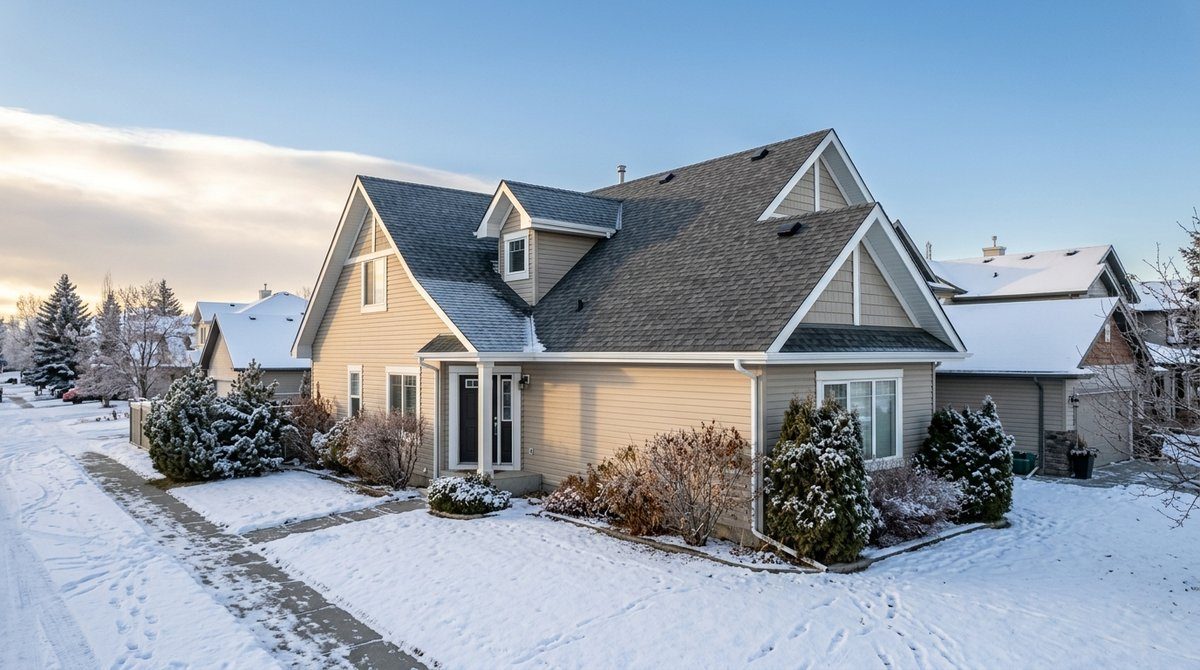
Wondering if your roof can wait until spring? Book a roof inspection with Total Exteriors and get a straight answer. Contact us online to get started.
Conclusion
So, can you replace a roof in winter in Calgary? Yes, when the crew treats winter as winter: warm materials, a clean and dry deck, hand-sealed shingles, small sections closed in the same day, and the discipline to stop when conditions turn. Chinooks and sunny days give Calgary more winter working windows than most cities. If your roof is leaking or badly hail-damaged, do not wait; if it is just old, spring may be the better choice. Either way, keep the home protected in the meantime.
Frequently Asked Questions
What is the coldest temperature you can install shingles?
There is no single cut-off that applies to every product. Special cold-weather procedures apply at about 5°C and below, and each manufacturer sets its own instructions. A professional crew follows those instructions and stops work when it is too cold to handle shingles without cracking them.
Will shingles seal if they are installed in winter?
The factory sealing strips need warmth from the sun to activate, so they may not fully seal until warmer weather. That is why shingles installed in the cold are usually hand-sealed with roofing cement, which holds them down in the meantime.
Is a winter roof replacement cheaper?
Not necessarily. Winter jobs can take longer because of shorter days and weather delays, and they need extra steps such as hand-sealing. Price depends on the roof, the materials and the scope, so get a written estimate rather than assuming a seasonal discount.
Does a winter install affect my shingle warranty?
Manufacturer warranties depend on the shingles being installed according to the manufacturer’s instructions, including their cold-weather requirements. Ask your contractor to confirm they follow those instructions and to provide the warranty documentation when the job is finished.
How long does a winter roof replacement take?
Often a little longer than in summer, because crews open smaller sections each day and pause for snow or extreme cold. Many house roofs are still completed within a few working days once a good weather window arrives.
What should I do if my roof is leaking and it is snowing?
Contain the water inside with buckets and towels, move belongings away, and call for an emergency temporary repair. Do not climb onto a snowy or icy roof yourself. Take photos for your insurance company before and after any repair.