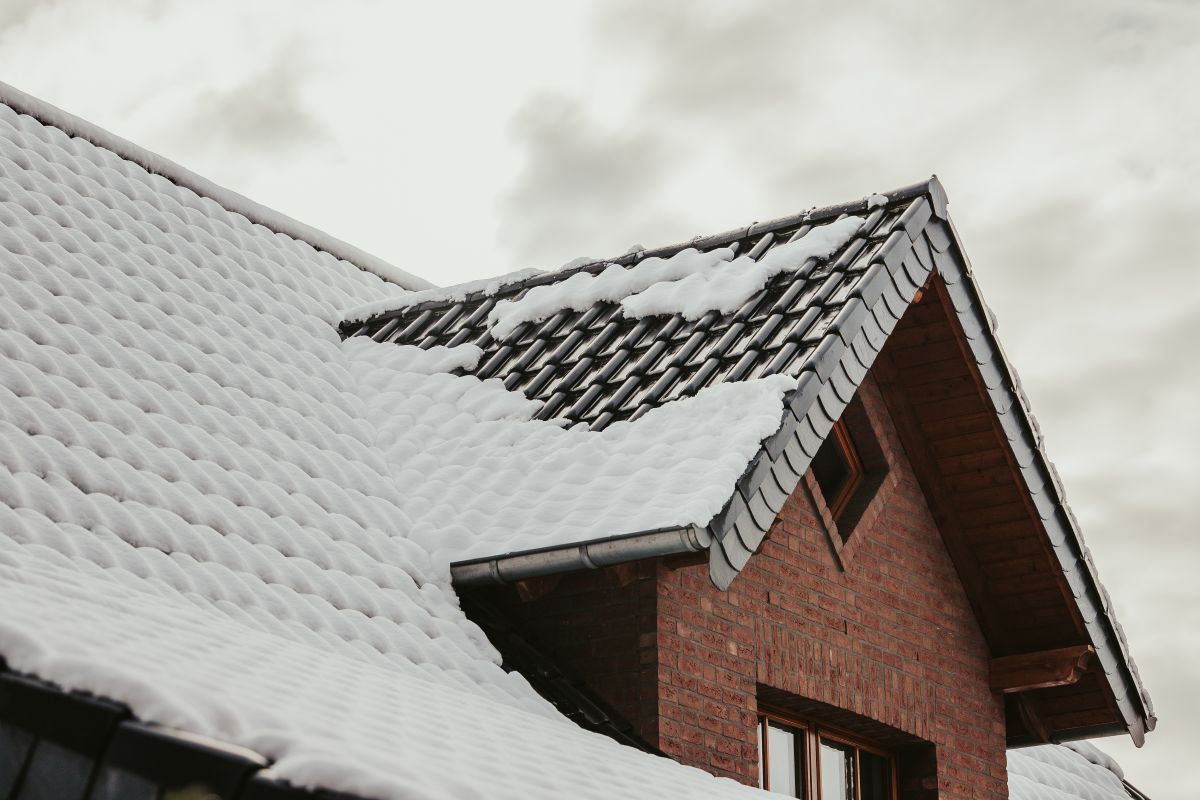
Winter emergencies can happen without warning. A sudden roof leak, heavy snow accumulation, or ice buildup can quickly turn into serious interior damage—especially during Calgary’s long, unpredictable winters.
Knowing what to do immediately can prevent further damage, protect your home, and help ensure your insurance claim proceeds smoothly. This guide explains how winter emergencies affect your roof and exterior—and the exact steps homeowners should take when problems strike.
Table of Contents
- Why Winter Roof & Exterior Emergencies Are Common in Calgary
- Most Common Winter Exterior Emergencies
- What to Do Immediately When a Winter Emergency Occurs
- Roof Leaks During Winter: Causes & Warning Signs
- Ice Dams and Heavy Snow Accumulation
- Emergency Damage to Siding, Soffits & Eavestroughs
- Preventing Further Damage Until Repairs Are Made
- When to Call Total Exteriors
- Conclusion
1. Why Winter Roof & Exterior Emergencies Are Common in Calgary
Calgary’s winter climate creates the perfect conditions for sudden exterior failures:
- Rapid temperature fluctuations
- Heavy snowfall followed by quick melts
- Ice buildup at roof edges
- High winter winds
- Blocked drainage systems
These conditions place intense pressure on roofing systems and exterior materials—often exposing weaknesses that were previously undetectable.
2. Most Common Winter Exterior Emergencies
Emergency issues homeowners face most often include:
- Active roof leaks
- Ice dam formation
- Ceiling stains or dripping water
- Detached eavestroughs from ice weight
- Collapsed or sagging roof sections
- Loose or missing shingles
- Cracked siding from freeze–thaw cycles
When temperatures remain below freezing, these problems can escalate quickly.
3. What to Do Immediately When a Winter Emergency Occurs
If you notice water intrusion or exterior failure during winter, take these steps immediately:
Step 1: Protect the Interior
- Move furniture and valuables away from leaks
- Use buckets or containers to collect dripping water
- Place plastic sheeting where needed
Step 2: Reduce Interior Moisture
- Use fans or dehumidifiers if safe
- Prevent moisture from spreading into insulation or drywall
Step 3: Document the Damage
- Take photos and videos
- Record date and weather conditions
- Capture both interior and exterior signs
Step 4: Avoid Climbing Onto the Roof
Snow- and ice-covered roofs are extremely dangerous. Leave exterior assessment to professionals.
4. Roof Leaks During Winter: Causes & Warning Signs
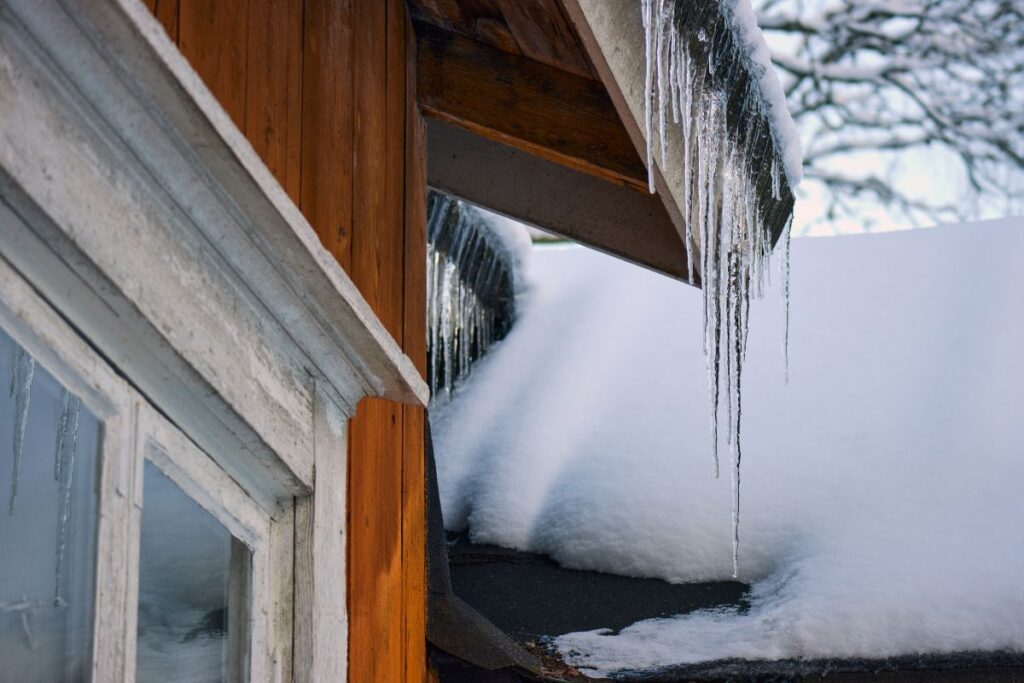
Winter roof leaks often result from:
- Ice dams forcing water under shingles
- Flashing separation due to freezing
- Cracked or lifted shingles
- Condensation buildup in attic spaces
- Blocked drainage systems
Warning signs include:
- Ceiling stains
- Dripping water during temperature changes
- Peeling paint or bubbling drywall
- Musty odours
Leaks may stop temporarily during deep freezes—only to return aggressively during mild winter days.
5. Ice Dams and Heavy Snow Accumulation
Ice dams form when warm attic air melts snow that refreezes at the roof edge.
Why Ice Dams Are Dangerous
- Water backs up under shingles
- Moisture enters roof decking
- Insulation becomes saturated
- Mold and rot develop
Heavy snow accumulation can also overload roofing structures, particularly on older homes or flat roofs.
6. Emergency Damage to Siding, Soffits & Eavestroughs
Exterior components are often affected simultaneously during winter emergencies.
Common problems include:
- Ice pulling eavestroughs away from fascia
- Soffit panels detaching from wind pressure
- Water entering wall cavities
- Cracked vinyl siding from cold exposure
These issues can redirect melting snow directly into walls and ceilings.
7. Preventing Further Damage Until Repairs Are Made
While permanent repairs may not be possible immediately during winter, homeowners should:
- Keep drainage paths as clear as safely possible
- Remove snow buildup only from ground level
- Avoid breaking ice dams manually
- Monitor interior moisture daily
- Schedule professional emergency inspections
Temporary measures help minimize damage until conditions allow full restoration.
8. When to Call Total Exteriors

Winter emergencies require fast, knowledgeable response.
Total Exteriors provides:
- Emergency roof and exterior inspections
- Storm and winter damage assessments
- Temporary protection solutions
- Roof, siding, soffit & eavestrough repairs
- Full exterior restoration services
- Insurance documentation support
Early professional involvement helps prevent escalating damage and ensures issues are properly documented.
9. Conclusion
Winter roof and exterior emergencies can be stressful—but quick action makes all the difference.
By understanding warning signs, protecting your interior, documenting damage, and contacting experienced professionals, homeowners can limit loss and restore their property safely.
When ice, snow, and leaks strike, timely response protects both your home and your long-term investment.