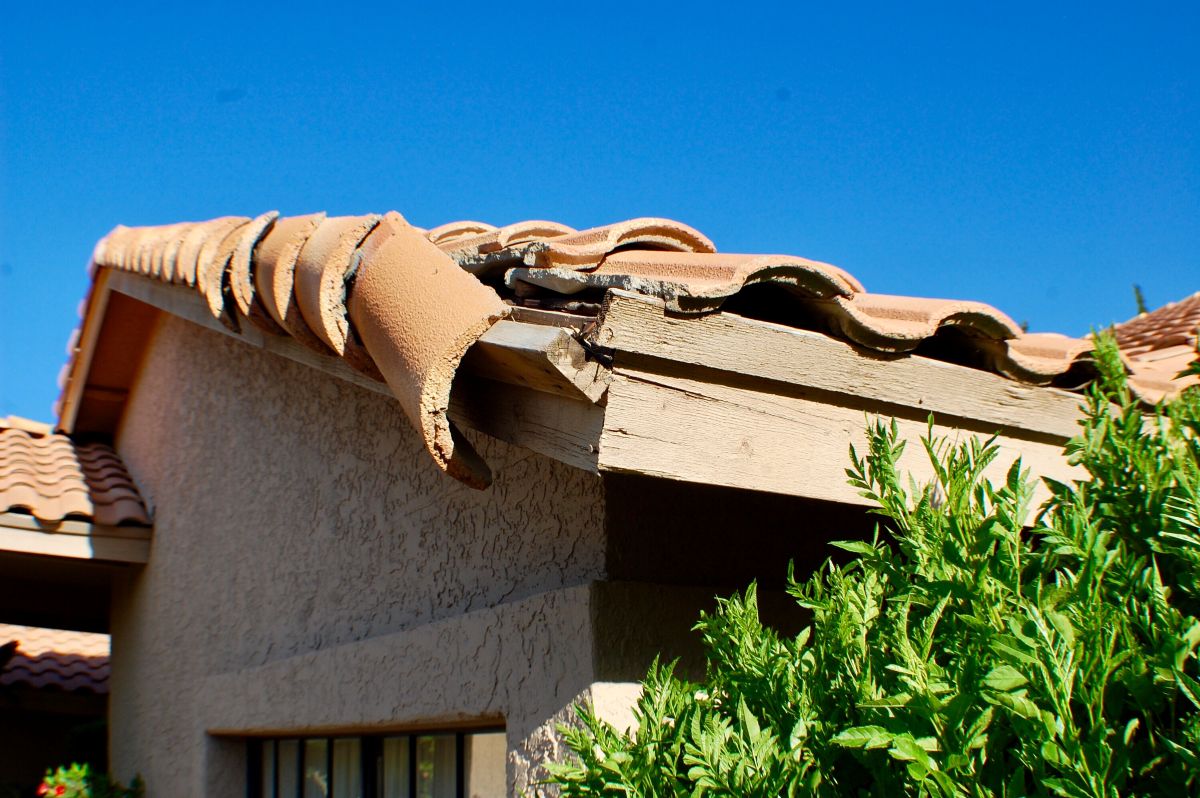
When a major storm hits, your first instinct may be to call your insurance company immediately. However, what you do before making that call can significantly affect your claim outcome.
Conducting a basic residential exterior inspection helps you identify damage, gather documentation, and avoid missing issues that could worsen over time. This checklist is designed to help homeowners spot common storm-related damage and understand when it’s time to involve professionals like Total Exteriors for a comprehensive exterior assessment.
Table of Contents
- Why an Exterior Inspection Matters Before an Insurance Claim
- Safety First: What Not to Do
- Roof Inspection Checklist
- Siding & Exterior Walls Inspection
- Eavestroughs, Soffits & Fascia
- Windows, Doors & Flashing
- Garage, Outbuildings & Accessories
- Documenting Damage for Insurance
- When to Call Total Exteriors
- Conclusion
1. Why an Exterior Inspection Matters Before an Insurance Claim
Insurance adjusters rely heavily on documentation and visible damage. If issues aren’t identified early—or worsen due to delays—your claim could be reduced or denied.
An exterior inspection before calling insurance helps you:
- Understand the full scope of damage
- Avoid overlooking hidden issues
- Take photos before temporary repairs
- Speak confidently with adjusters
- Prevent additional property damage
This step doesn’t replace a professional inspection—but it prepares you for one.
2. Safety First: What Not to Do
Before inspecting, remember:
❌ Do not climb onto a roof
❌ Do not remove damaged materials
❌ Do not attempt permanent repairs
❌ Do not throw away broken pieces
If something feels unsafe, stop. Professional inspectors like Total Exteriors have the training and equipment to assess damage safely.
3. Roof Inspection Checklist
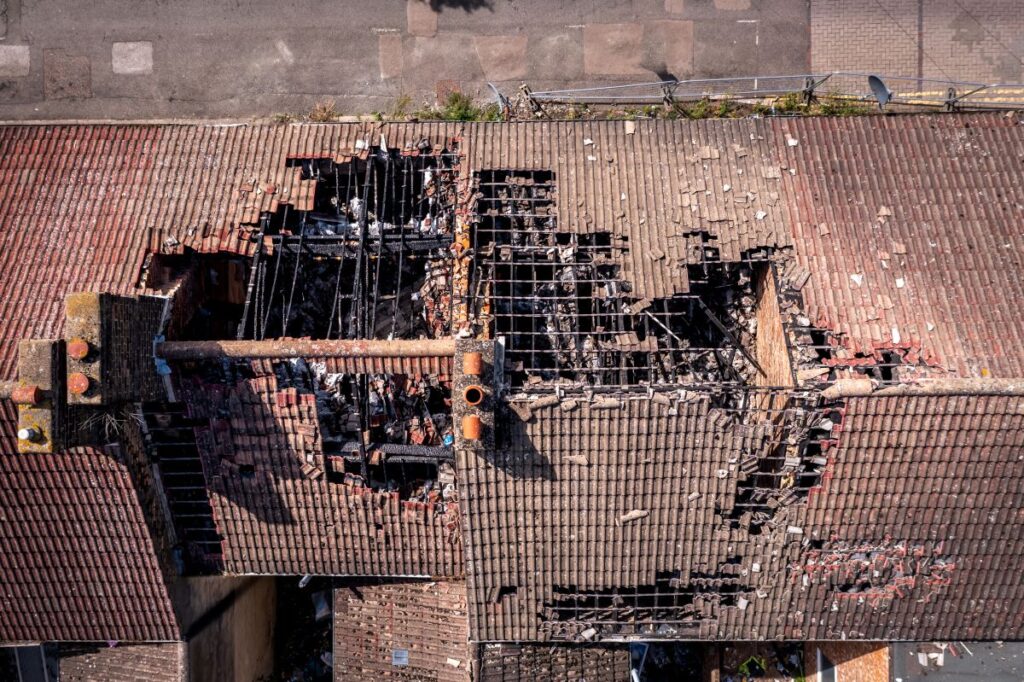
The roof takes the brunt of hail, wind, and flying debris. From ground level, look for:
Signs of Roof Damage
- Missing or lifted shingles
- Granule loss collecting in gutters
- Cracked or bruised shingles
- Dented or punctured metal roofing
- Loose flashing around vents or chimneys
Interior Clues
- Ceiling stains
- Water marks in attic spaces
- Damp insulation
Even small roof issues can lead to major water damage if ignored.
4. Siding & Exterior Walls Inspection
Walk around your home and inspect all sides.
What to Look For
- Cracks or splits in vinyl siding
- Dents from hail impact
- Loose or warped panels
- Exposed insulation or moisture barrier
- Discolouration or water streaks
Storm damage often affects only one side of the home, especially the windward side.
5. Eavestroughs, Soffits & Fascia
These components manage water runoff and protect roof edges.
Common Storm Damage
- Bent or detached eavestroughs
- Cracked downspouts
- Loose soffit panels
- Fascia board separation
Blocked or damaged drainage systems can cause water to back up into roofing or walls.
6. Windows, Doors & Flashing
Storm-driven rain can exploit weak seals.
Inspect for
- Broken or cracked glass
- Loose trim or caulking
- Water stains around frames
- Bent or missing flashing
Even small gaps can allow water intrusion during heavy rain or snowmelt.
7. Garage, Outbuildings & Accessories
Insurance claims often overlook secondary structures.
Check:
- Garage roofs and siding
- Detached sheds
- Fencing and gates
- Exterior lighting and vents
Damage here may still be covered and should be documented.
8. Documenting Damage for Insurance
Before calling your insurer:
Documentation Checklist
📸 Take clear photos from multiple angles
📸 Capture close-ups and wide shots
📝 Note the date and time of the storm
📝 Write down visible damage by area
🧾 Save any emergency repair receipts
Avoid making permanent repairs until your insurance company approves them—unless required to prevent further damage.
9. When to Call Total Exteriors

If you see any signs of exterior damage, it’s time to call a professional.
Total Exteriors provides:
- Comprehensive residential exterior inspections
- Roof, siding, soffit, fascia & eavestrough assessments
- Storm, hail, and wind damage documentation
- Support during insurance claims
- Full exterior restoration services
A professional inspection often uncovers hidden issues adjusters may miss, ensuring your claim reflects the true extent of damage.
10. Conclusion
A residential exterior inspection before calling your insurance provider puts you in control. By identifying damage early, documenting properly, and involving experts like Total Exteriors, homeowners protect their property and their claim.
Storm damage isn’t always obvious—but delaying action can lead to costly repairs and denied coverage. Taking the right steps early makes all the difference.