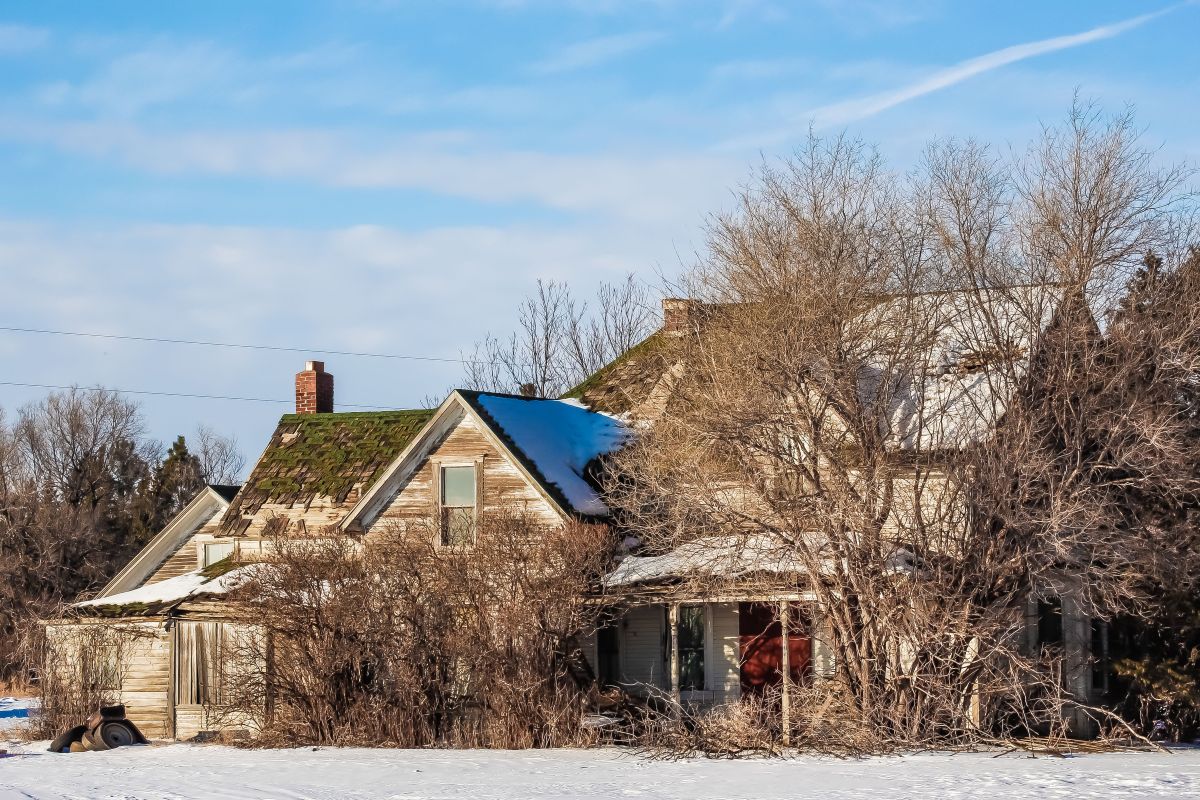
Calgary winters are among the harshest in Canada. Heavy snowfall, extreme temperature swings, ice buildup, and strong winds place enormous stress on residential exteriors. While some damage is immediately visible, much of it develops quietly over the winter months — only revealing itself once spring arrives.
Understanding how winter impacts your home’s exterior allows you to catch issues early, prevent costly repairs, and protect your property before minor problems escalate.
This guide explains how Calgary winters damage exterior systems and provides a clear checklist of what homeowners should inspect before spring.
Table of Contents
- How Calgary Winters Affect Your Home Exterior
- Roof Damage Caused by Winter Conditions
- Ice Dams and Snow Buildup Risks
- Siding Damage from Freeze–Thaw Cycles
- Soffits, Fascia, and Eavestrough Damage
- Moisture Intrusion and Hidden Water Damage
- Exterior Inspection Checklist Before Spring
- When to Call Total Exteriors
- Conclusion
1. How Calgary Winters Affect Your Home Exterior
Winter exposure doesn’t damage homes in one dramatic moment — it happens gradually.
Common winter-related stressors include:
- Extreme temperature fluctuations
- Repeated freeze–thaw cycles
- Snow accumulation and roof load
- Ice formation along roof edges
- Wind-driven snow and debris
- Limited drainage during melt periods
Over time, these conditions weaken roofing materials, shift siding, loosen fasteners, and allow moisture to penetrate areas that were previously sealed.
2. Roof Damage Caused by Winter Conditions
Your roof absorbs the greatest winter impact.
Common Winter Roof Issues
- Shingles lifting from wind exposure
- Cracking caused by freezing temperatures
- Granule loss accelerating aging
- Metal roofing expansion and contraction
- Flashing separation around vents and chimneys
Damage often remains hidden under snow until spring melt begins — when leaks suddenly appear.
3. Ice Dams and Snow Buildup Risks
Ice dams are one of the most destructive winter issues in Calgary.
They form when:
- Heat escapes through the attic
- Snow melts and refreezes at roof edges
- Water becomes trapped behind ice buildup
Potential Damage from Ice Dams
- Roof leaks
- Saturated insulation
- Interior ceiling stains
- Rotting roof decking
- Mold growth
Even small ice dams can cause significant structural damage if left unchecked.
4. Siding Damage from Freeze–Thaw Cycles
Winter freeze–thaw cycles repeatedly expand and contract siding materials.
What This Can Cause
- Cracks in vinyl siding
- Warping or separation of panels
- Moisture intrusion behind walls
- Loose fasteners
- Gaps forming at seams
Once moisture enters behind siding, spring melt can worsen hidden damage quickly.
5. Soffits, Fascia, and Eavestrough Damage
These components are critical for managing airflow and drainage.
Winter-related issues include:
- Ice-filled eavestroughs pulling away from the home
- Fascia boards cracking or rotting
- Soffit panels loosening from wind pressure
- Blocked drainage causing water backup
Damaged eavestrough systems can redirect melting snow directly into walls or foundation areas.
6. Moisture Intrusion and Hidden Water Damage
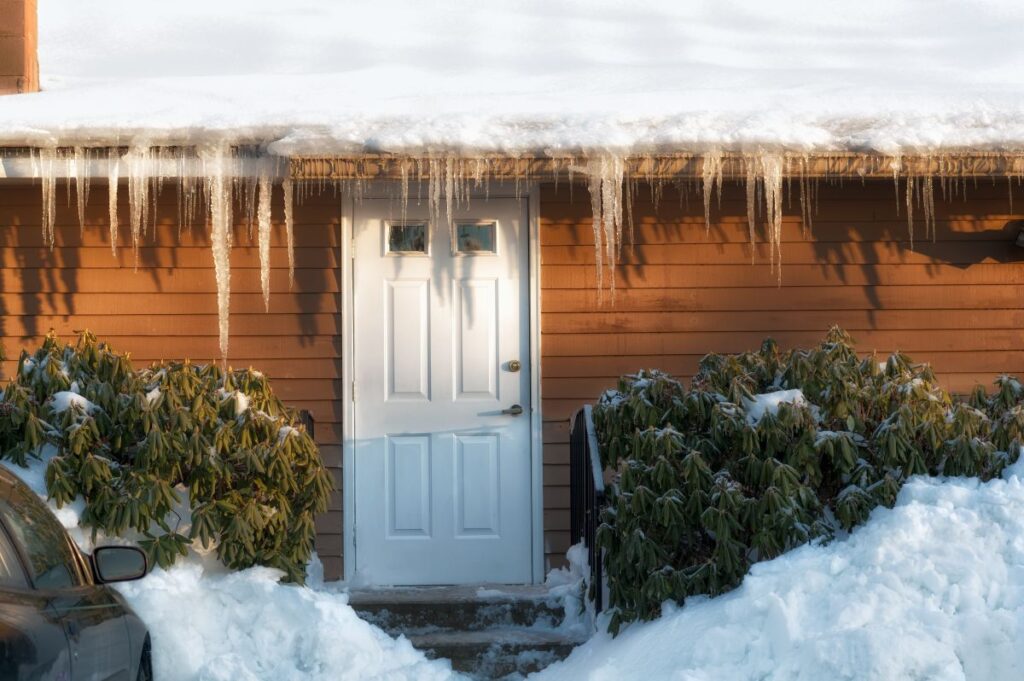
One of the most dangerous winter issues is hidden moisture.
Water can enter through:
- Roof penetrations
- Ice-damaged flashing
- Cracked siding
- Gaps around windows and doors
When moisture freezes and expands, it widens openings — allowing even more water intrusion during spring thaw.
Signs often appear later as:
- Interior staining
- Peeling paint
- Musty odours
- Mold development
7. Exterior Inspection Checklist Before Spring
As temperatures rise, homeowners should perform a thorough exterior inspection.
Roof
- Missing, cracked, or lifted shingles
- Sagging areas
- Damaged flashing
- Granule accumulation in gutters
Siding
- Cracks or splits
- Warped or loose panels
- Moisture staining
- Exposed insulation
Soffits & Fascia
- Loose or missing sections
- Visible rot
- Water stains
Eavestroughs
- Bent or detached sections
- Ice damage
- Blocked downspouts
Windows & Doors
- Cracked caulking
- Moisture stains
- Drafts or air leaks
Any of these signs should be assessed professionally.
8. When to Call Total Exteriors

If winter damage is suspected, it’s important to act early.
Total Exteriors provides complete exterior inspections and restoration services, including:
- Roof inspections and repairs
- Siding replacement and restoration
- Soffit, fascia, and eavestrough repair
- Storm and winter damage assessments
- Insurance claim support
Professional inspections often uncover damage that isn’t visible from ground level — helping homeowners prevent further deterioration as spring moisture increases.
9. Conclusion
Calgary winters place tremendous stress on residential exteriors. While damage may not always be visible during cold months, the transition into spring is when problems surface.
Conducting a thorough exterior inspection before spring — and addressing issues early — helps protect your home, reduce repair costs, and preserve long-term structural integrity.
With professional assessment and timely restoration, winter damage can be corrected before it becomes a major expense. Contact us today.