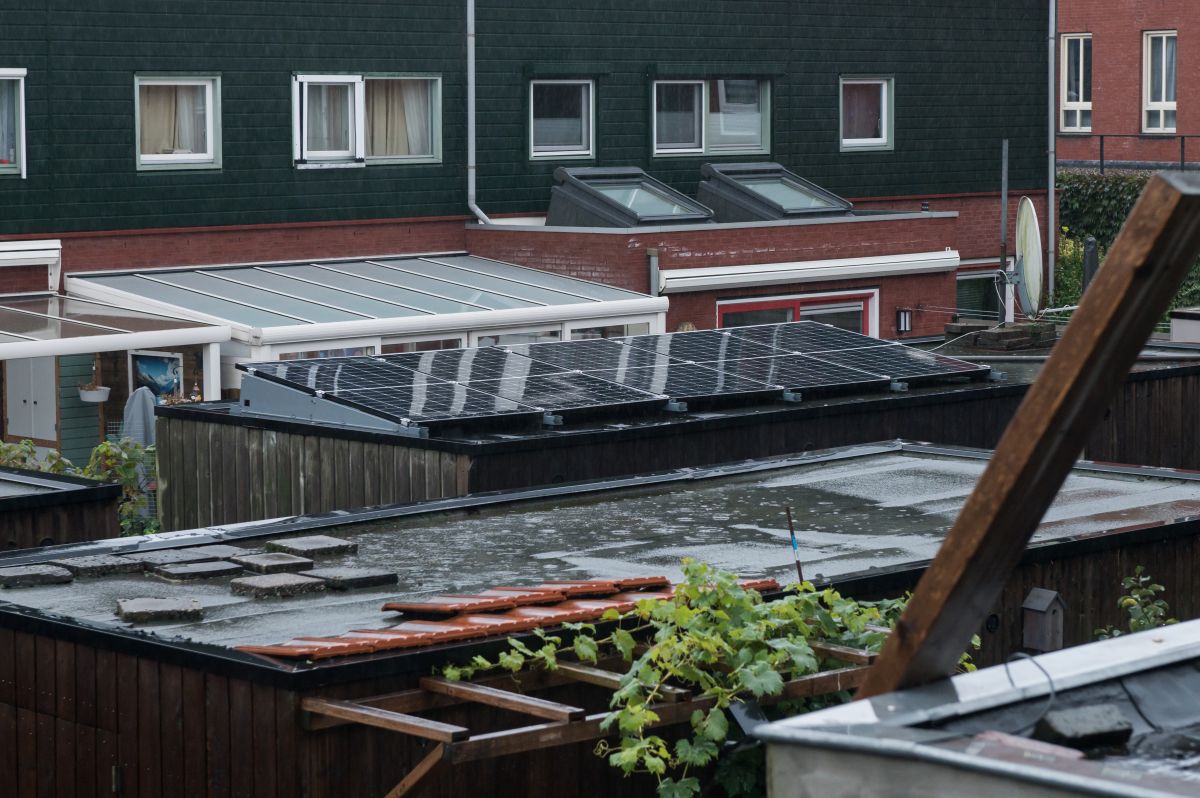
Summer in Calgary often brings sudden heavy rainstorms, high winds, and rapid temperature shifts. While winter receives most of the attention, many commercial roof failures actually occur during summer due to drainage problems, membrane deterioration, and hidden damage exposed by intense rainfall.
Flat roofing systems are designed to handle water — but only when properly maintained. Without preventative care, pooling water and weakened seams can quickly turn into leaks that disrupt business operations and cause costly interior damage.
This guide explains how commercial property owners and managers can prevent flat roof leaks during Calgary’s summer rains and protect their buildings year-round.
Table of Contents
- Why Summer Rain Is Hard on Commercial Flat Roofs
- Common Causes of Flat Roof Leaks
- The Importance of Proper Drainage Systems
- Inspecting Roofing Membranes and Seams
- Managing Ponding Water
- Flashing, Penetrations & Vulnerable Areas
- Preventative Maintenance Best Practices
- Professional Inspections with Total Exteriors
- Conclusion
1. Why Summer Rain Is Hard on Commercial Flat Roofs
Unlike sloped residential roofs, flat roofs rely on engineered drainage systems to move water efficiently. Calgary’s summer storms often deliver heavy rainfall in short periods, overwhelming roofs that already have minor weaknesses.
Summer conditions create risks such as:
- Rapid water accumulation
- UV expansion weakening materials
- Storm debris blocking drains
- Hidden winter damage becoming exposed
- Thermal expansion stressing seams
Even small vulnerabilities can allow water intrusion during prolonged rain.
2. Common Causes of Flat Roof Leaks
Most commercial roof leaks are preventable and typically result from maintenance issues rather than sudden failure.
Primary Leak Causes
- Clogged roof drains or scuppers
- Membrane punctures or aging materials
- Open or separated seams
- Improper flashing installation
- Ponding water weakening surfaces
- Damage from previous hail or winter ice
Leaks rarely begin as large openings — they usually start small and worsen over time.
3. The Importance of Proper Drainage Systems
Drainage is the most critical factor in flat roof performance.
Key Components to Maintain
- Interior roof drains
- Scuppers and overflow drains
- Gutters and downspouts
- Tapered insulation directing water flow
Blocked drainage allows water to remain on the roof longer than intended, increasing pressure on seams and accelerating material breakdown.
Routine cleaning before and during summer storm season is essential.
4. Inspecting Roofing Membranes and Seams
Flat roofing systems such as SBS, TPO, or EPDM rely on sealed membranes to remain watertight.
What to Look For
- Cracks or blistering
- Loose seams or lifting edges
- Surface wear from UV exposure
- Punctures caused by foot traffic or debris
Temperature fluctuations cause roofing materials to expand and contract, which can slowly weaken seam connections if not monitored.
5. Managing Ponding Water
Ponding water occurs when water remains on a roof for more than 48 hours after rainfall.
Why Ponding Water Is Dangerous
- Accelerates membrane deterioration
- Adds structural weight
- Encourages algae and debris buildup
- Increases likelihood of leaks
Low spots often develop gradually as buildings settle or insulation shifts. Addressing these areas early prevents long-term damage.
6. Flashing, Penetrations & Vulnerable Areas
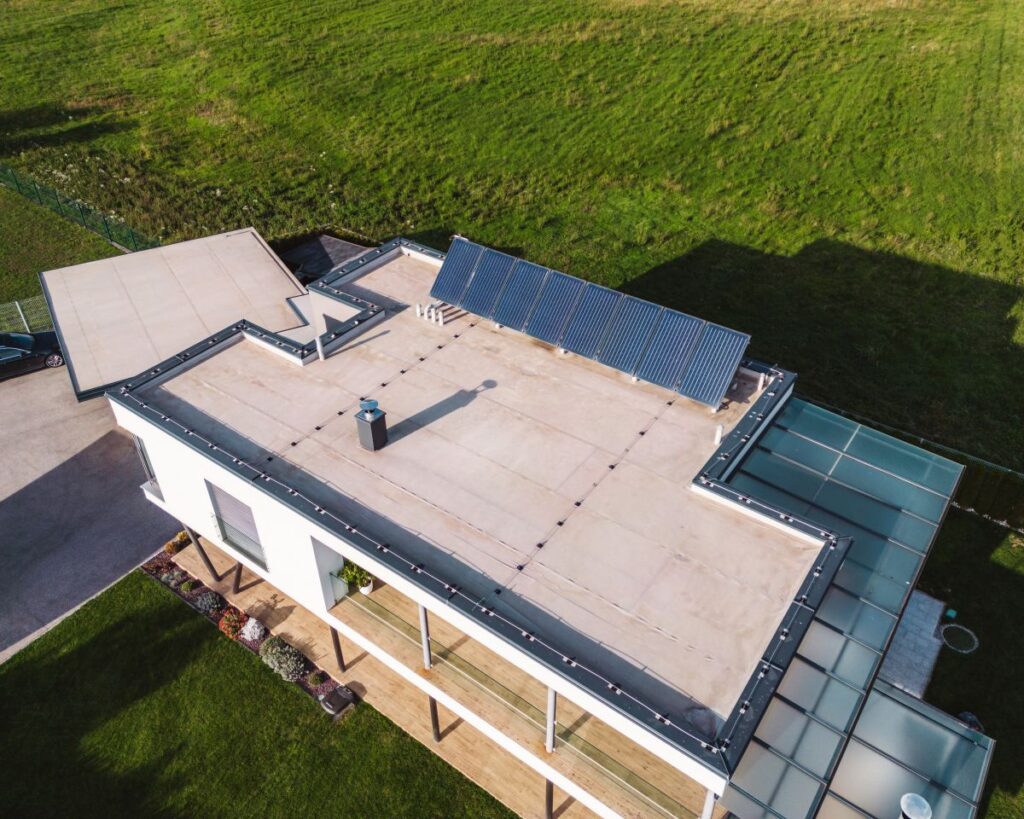
The majority of leaks occur at transitions rather than open roof surfaces.
High-Risk Areas Include
- HVAC units and mechanical curbs
- Skylights
- Roof edges and parapet walls
- Vent pipes and drains
- Expansion joints
Flashing protects these transitions, but sealants can deteriorate under UV exposure and seasonal movement.
Regular inspections ensure these areas remain watertight.
7. Preventative Maintenance Best Practices
Commercial building owners can significantly reduce leak risk by implementing seasonal maintenance routines.
Recommended Practices
✔ Inspect roofs twice annually (spring and fall)
✔ Check roofs after major storms
✔ Clear debris regularly
✔ Monitor drainage performance during rainfall
✔ Repair small issues immediately
✔ Limit unnecessary rooftop foot traffic
Preventative maintenance is far less costly than emergency repairs or business downtime caused by water damage.
8. Professional Inspections with Total Exteriors

While visual checks help, professional inspections provide a deeper evaluation of roofing performance.
Total Exteriors offers comprehensive commercial exterior assessments that identify:
- Hidden membrane damage
- Drainage inefficiencies
- Flashing failures
- Early leak risks
- Storm-related wear
By addressing issues before peak summer rain events, businesses can avoid unexpected disruptions and extend roof lifespan.
9. Conclusion
Calgary’s summer storms can expose weaknesses in commercial flat roofs quickly. Proper drainage, regular inspections, and proactive maintenance are the keys to preventing leaks and protecting your building investment.
With routine care and professional support, commercial flat roofing systems can perform reliably for decades — even under demanding weather conditions.
Preventative action today helps avoid costly repairs tomorrow.