
Calgary winters bring extreme weather conditions that can challenge even well-built homes. Heavy snowfall, fluctuating temperatures, ice buildup, and strong winds all place stress on exterior systems. Without proper maintenance, small winter issues can quickly turn into costly repairs by spring.
By following proven winter maintenance practices, homeowners can protect their roofs, siding, and drainage systems while extending the lifespan of their entire exterior envelope.
This guide outlines the best practices to maintain your home’s exterior during Calgary’s winter months and reduce the risk of storm-related damage.
Table of Contents
- Why Winter Exterior Maintenance Matters
- Monitor Snow Accumulation on Your Roof
- Prevent Ice Dams Before They Form
- Maintain Proper Drainage Systems
- Protect Your Siding from Winter Damage
- Inspect Soffits and Fascia Regularly
- Watch for Early Signs of Moisture Intrusion
- Maintain Safe Ventilation and Insulation
- Schedule Professional Winter Inspections with Total Exteriors
- Conclusion
1. Why Winter Exterior Maintenance Matters
Winter damage rarely happens all at once. Instead, repeated exposure to freezing temperatures and moisture slowly weakens exterior materials.
Common winter risks include:
- Freeze–thaw expansion causing cracks
- Snow load stressing roofing systems
- Ice buildup blocking drainage
- Wind-driven moisture entering small gaps
- Hidden water damage developing beneath surfaces
Routine winter maintenance helps homeowners avoid emergency repairs and maintain structural integrity throughout the season.
2. Monitor Snow Accumulation on Your Roof
Snow buildup adds significant weight to roofing systems, especially during extended cold periods.
Best Practices
- Visually monitor snow depth after storms
- Watch for uneven snow distribution
- Check for sagging roof lines from ground level
- Remove excess snow safely using roof rakes when necessary
Avoid climbing onto snow-covered roofs, as this creates serious safety risks and can damage roofing materials.
3. Prevent Ice Dams Before They Form
Ice dams occur when attic heat melts snow that refreezes along roof edges, trapping water behind ice.
Prevention Tips
- Maintain consistent attic insulation
- Ensure proper ventilation airflow
- Keep gutters clear before winter begins
- Monitor roof edges for early ice buildup
Preventing ice dams protects shingles, flashing, and interior ceilings from water intrusion.
4. Maintain Proper Drainage Systems
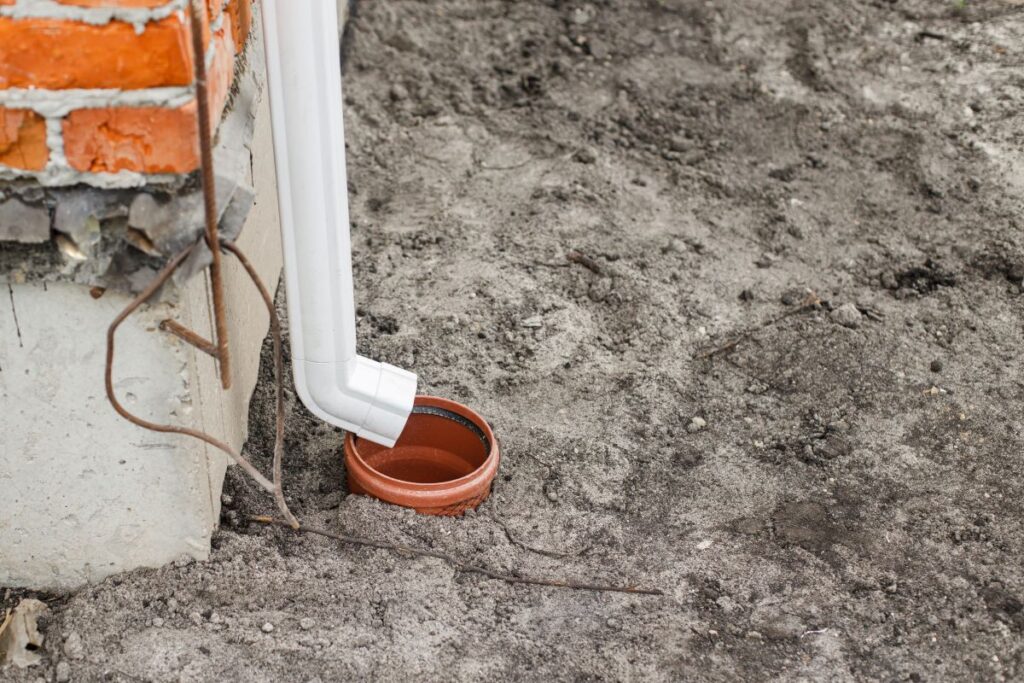
Even during winter, drainage systems play a critical role in protecting your home.
What to Check
- Eavestroughs free of debris before snowfall
- Downspouts directing water away from the foundation
- Ice blockages forming near outlets
- Detached or sagging gutters caused by ice weight
Proper drainage prevents meltwater from backing up under roofing materials.
5. Protect Your Siding from Winter Damage
Cold temperatures and strong winds can weaken siding over time.
Inspect for:
- Loose or rattling panels
- Cracks caused by freezing expansion
- Warping from trapped moisture
- Gaps around corners and seams
Addressing small siding issues early prevents moisture from entering wall assemblies during thaw periods.
6. Inspect Soffits and Fascia Regularly
Soffits and fascia help regulate ventilation and protect roof edges.
Winter stress may cause:
- Ice pulling gutters away from fascia boards
- Wind loosening soffit panels
- Moisture entering attic spaces
Regular visual inspections from ground level can reveal early warning signs.
7. Watch for Early Signs of Moisture Intrusion
Moisture problems often begin subtly during winter.
Warning Signs
- Interior ceiling stains
- Frost buildup in attic areas
- Condensation on windows
- Musty odours
Catching moisture early prevents mold growth and structural deterioration.
8. Maintain Safe Ventilation and Insulation
Balanced attic ventilation and insulation reduce temperature differences that lead to ice dams and condensation.
Proper airflow helps:
- Maintain consistent roof temperatures
- Reduce snow melt refreezing cycles
- Improve energy efficiency
- Extend roofing lifespan
If winter ice issues occur repeatedly, ventilation may need professional evaluation.
9. Schedule Professional Winter Inspections with Total Exteriors

While homeowners can perform basic visual checks, professional inspections provide a deeper assessment.
Total Exteriors offers comprehensive exterior evaluations that identify:
- Hidden roof damage
- Early siding failures
- Drainage system problems
- Flashing and sealing issues
- Storm-related vulnerabilities
Professional inspections during winter or late season help prevent costly spring repairs and ensure exterior systems remain weather-ready.
10. Conclusion
Maintaining your home’s exterior during Calgary’s winter is essential for preventing damage caused by snow, ice, and fluctuating temperatures. Regular monitoring, proactive maintenance, and professional inspections help protect your home throughout the harsh season.
By taking preventative steps now, homeowners can avoid unexpected repairs and ensure their property remains safe, efficient, and structurally sound year-round.